Why Stainless Steel Recycling Is Good for the Planet and Your Pocket
The stainless steel stands as one of the most common and broadly contended commodities in every industry, ranging to residential class and even the skyscrapers. What most people have not known though is that stainless steel can be amongst the most recycled metals worldwide. Due to the focus in the world on sustainability, Saintless steel recycle is a convenient and advantageous direction by the means of which the waste can be mitigated and the resources saved.
In this article we will cover what stainless steel recycling is, why it is relevant, how it works, and how we can capitalize on it.
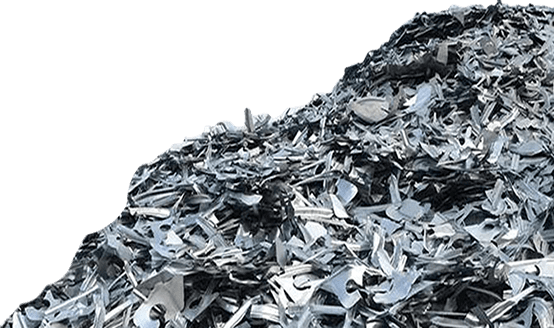
What is stainless steel recycling?
Stainless steel is an Iron- Nickel- chromium alloy. It has been noted to be strong, durable, has the power to resist corrosion and has long life. The nicest thing though is that it could be recycled over and over and would never lose its quality.
Stainless steel recycling involves salvaging used or scrap stainless steel, processing it, and repurposing it in the manufacturing of new products. With a wide variety of applications for stainless steel, from small items like kitchen sinks to huge like an industrial tank, almost everything can be recycled.
Reasons to Recycle Stainless Steel
There are multiple reasons that make recycling stainless steel a great option:
Natural Resource Conservation: Less need to mine natural resources such as nickel and iron ore.
Extra Cash: Recycling companies also often pay good prices for stainless steel scraps.
Contributes to Circular Economy: Recycled steel will come back into the supply chain.
Lower Emissions: Recycled materials require less energy to process and requires less greenhouse gas.
Less Trash: Reduces the impact of large chunks of metal going to landfill.
Stainless Steel Recycling Process
Here is how stainless steel gets recycled from start to end:
Collection - Scrap stainless steel is collected from restaurants, home renovations and industrial sites.
Sorting and separation - Magnet tools and sensors find and remove other metals and bits that are not metal.
Shredding - The metal is ripped or crushed into small pieces to be manageable
Melting - Stainless steel is melted down in a special furnace.
Refining and reformation - The filtered molten metal will be formed into the final shapes, or the metal will go to be manufactured.
Common Recyclable Stainless Steel Sources
The good news is that you may have recyclable stainless steel products at home or at work. Examples include the following:
Household: Cutlery, pots and pans, sinks, ovens, toasters
Construction: Handrails, cladding, steel frames
Automotive: Mufflers, exhausts, moulding trim
Industrial: food processing equipment
Grades of Stainless Steel and Their Values
Various grades of stainless steel exist. The most prevalent types are:
304 Stainless Steel: Used in domestic appliances, food processing—common and worth significant value.
316 Stainless Steel: Has molybdenum, used in marine or chemical environments—more value.
400-Series: Magnetic, is used in industrial applications—less nickel and lower in value.
By sorting your scrap by grades, you can expect to earn higher payouts.
Where to recycle stainless steel
There are a range of options locally for you to choose from:
Local Scrap Yards - Accept many different metals.
Metal Recycling Facilities - These accept stainless steel and are more specialized in the commodity with possibly greater rates.
Mobile Scrap Collectors - Offer collection for larger quantities.
Local Council recycling centres - Suitable for small quantity Household Recycling.
Ways to get the most return
In order to maximize your stainless steel recycling returns:
✅ Clean your scrap stainless steel to remove any other materials or dirt that may be attached to your steel.
✅ If you can, sort it by grade. Scrap dealers will pay you more for sort material.
✅ Remove non-metal attachments: Rubber or plastic attachments can reduce the price you receive.
✅ Weigh your materials. When you go to sell your scrap metal, make sure you weigh all of your materials first.
✅ Call ahead to ask what type of steel or stainless steel the dealer has the best prices for and what they accept.
Conclusion
There are many benefits to recycling stainless steel. The benefits include savings in your pocket as well as protecting the planet. Recycling can reduce resource consumption, emissions, and keep recycled materials in use. Whether you're cleaning out your kitchen or diverting scrap from an industrial site, it's well worth your time to dispose of the stainless steel properly and ultimately get paid for it in return.


Comments
Post a Comment